Why I Didn't Lose Weight After 9 Months of 5-Day-a-Week CrossFit
[Sequence Log 003]
Why I Didn’t Lose Weight After 9 Months of
5-Day-a-Week CrossFit
— Even with two meals a day
I believed CrossFit would make me lose weight.
To be precise, I thought it had to.
Five days a week.
Nine months.
High-intensity intervals.
I sweated enough, and my cardiovascular fitness clearly improved.
But the scale barely moved.
Sometimes the number even went up.
1. My Current State
― Let’s start with the data
This isn’t a complaint. It’s a record.
So first, let me write down who I am right now, as I am.
- 37-year-old male
- 9 months into CrossFit
- Training 5+ days a week
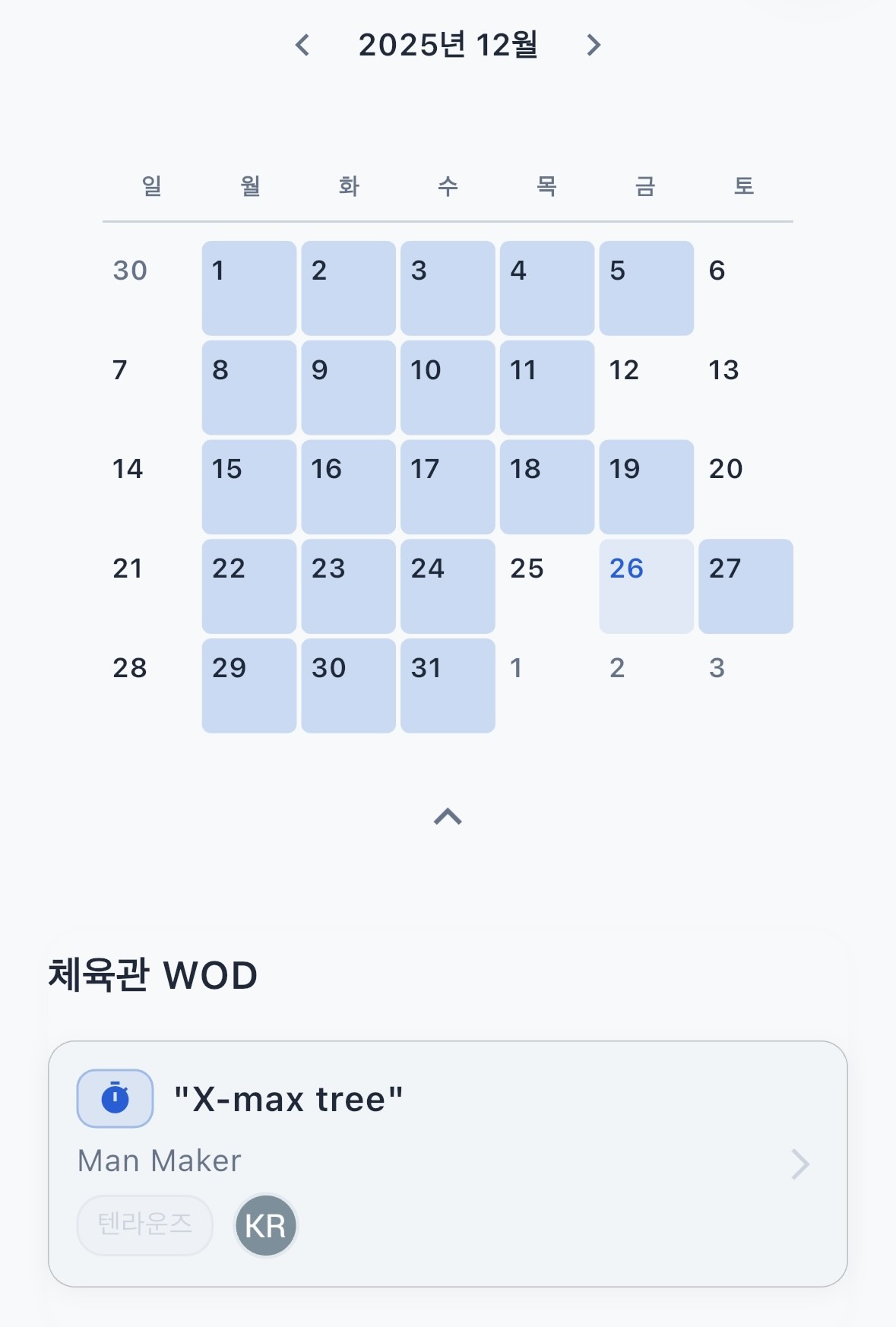
- Last month’s WODs: Mostly Metcon + Strength
- Workout intensity: Always at the ‘today was pretty tough’ level

I’m not slacking off.
The problem, rather, is that I always go hard.
2. The Hidden Variable: Lifestyle Patterns
― A developer’s day
The problem was outside the box.
-
Meals: Two meals a day
- Lunch: Regular meals (mostly Korean food)
- Dinner: Protein-focused, reduced carbs
-
Estimated daily calories: 1,800~2,000 kcal
-
Occupation: Developer
-
Average activity level: Low
- Spend most of the day sitting
- Minimal commute movement
At first glance, this looks like a typical weight loss failure story.
But I have one counterexample.

3. Summer Was Different
― When Zone 2 running existed
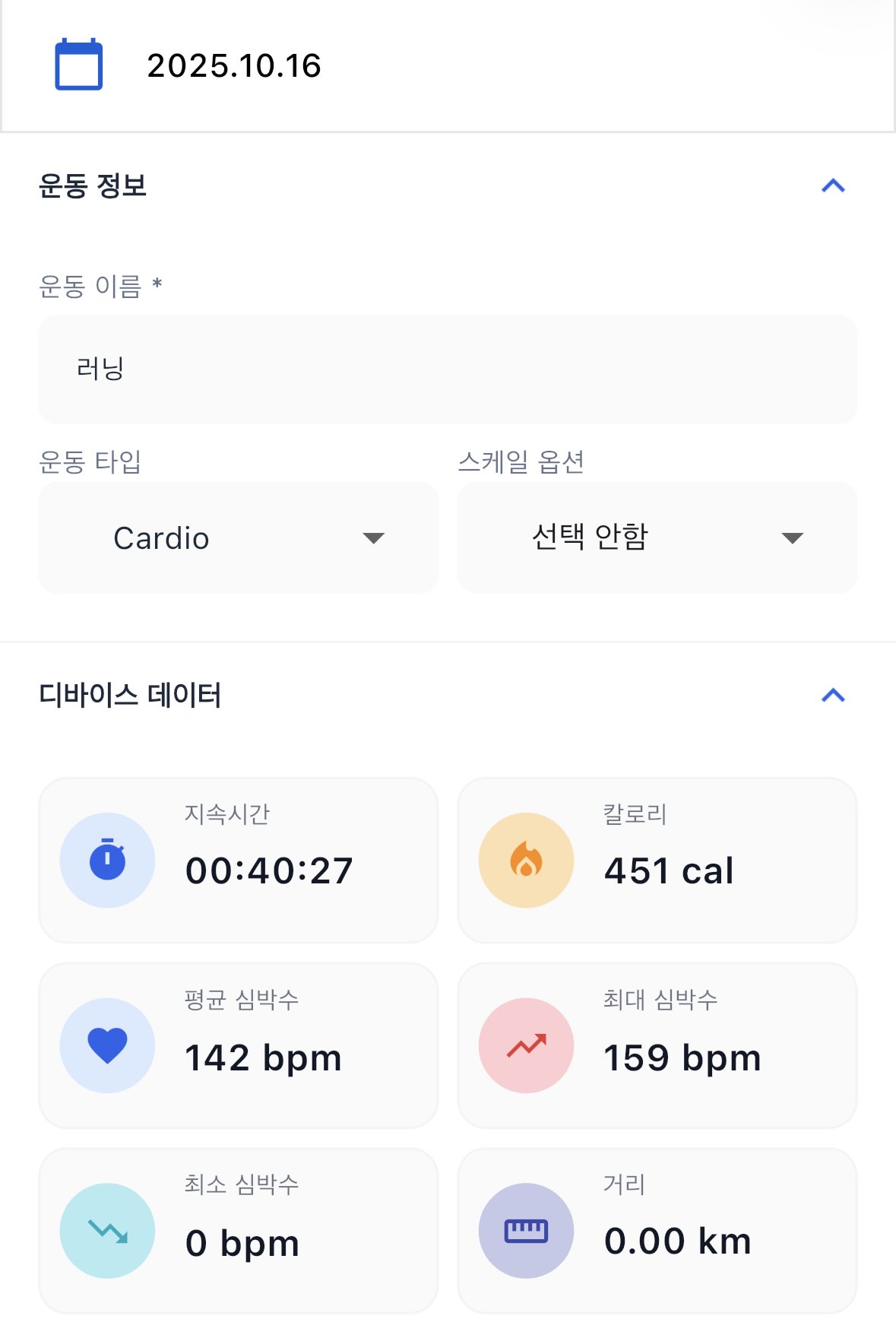
When the weather was warm, I did Zone 2 running 2~3 times a week.
- 40~60 minutes
- A pace where I’m slightly breathless but can still talk
- Much less energy expenditure than CrossFit
During that period, my weight slowly, but clearly went down.
No noticeable body shape changes,
but the scale was honest.
Then winter came.
- Running stopped
- Walking decreased
- Activity level dropped sharply
The workout time stayed the same,
but the ‘mode’ of movement disappeared.
4. The CrossFit Trap
― High intensity, but always the same mode
CrossFit is efficient.
It stimulates both cardiovascular fitness and strength in a short time.
But most days, we enter the box in the same state.
- Already fatigued
- Sleep-deprived
- Still carrying stress
And then we go high intensity again.
The body responds like this:
- Cortisol rises
- Recovery delays
- Inflammation accumulates
- NEAT (daily activity) decreases
I worked out,
but my total daily energy expenditure actually went down.
5. What I Realized
― The problem wasn’t intensity
At this point, I reached one conclusion.
I’m not failing to lose weight because I’m not exercising.
It’s because I’m always moving in the same mode.
- Always high intensity
- Always sympathetic-dominant
- Always in the “I survived today” state
The body doesn’t recognize this as weight loss mode.
It’s closer to survival mode.
6. So, What Should Change?
― The questions start here
Now my focus is simple.
- What state is my body currently in?
- When am I switching to recovery mode?
- How much has movement outside CrossFit disappeared?
And a more important question.
Can I see all of this not as ‘feeling’,
but as ‘measurable signals’?
- Heart rate variability?
- Recovery metrics?
- Daily activity levels?
- Recovery speed relative to training intensity?
[Next Sequence]
This sequence started with the question
“Why isn’t it working?”
but it ultimately points in one direction.
The answer isn’t working harder.
It’s switching to a different mode.
In the next installment, I’ll explore
- how to design ‘mode switching’
- that maintains CrossFit
- without interfering with recovery and weight loss
And how to
measure and automatically detect it
in concrete experimental units.
The next log will be
an attempt to bind exercise, recovery, and weight loss into one sequence.