Kickboxing Trial: A Rhythm That Stayed With Me
[Sequence Log 002]
Kickboxing Trial: A Rhythm That Stayed With Me
Developing Sustainable Rhythm
Minus eight degrees Celsius.
Not exactly a welcoming temperature for a weekend morning.
Less than an hour after waking up, I got on a bus to a kickboxing gym.
My shoulders already felt tight, and my body was still stuck in a slower rhythm.
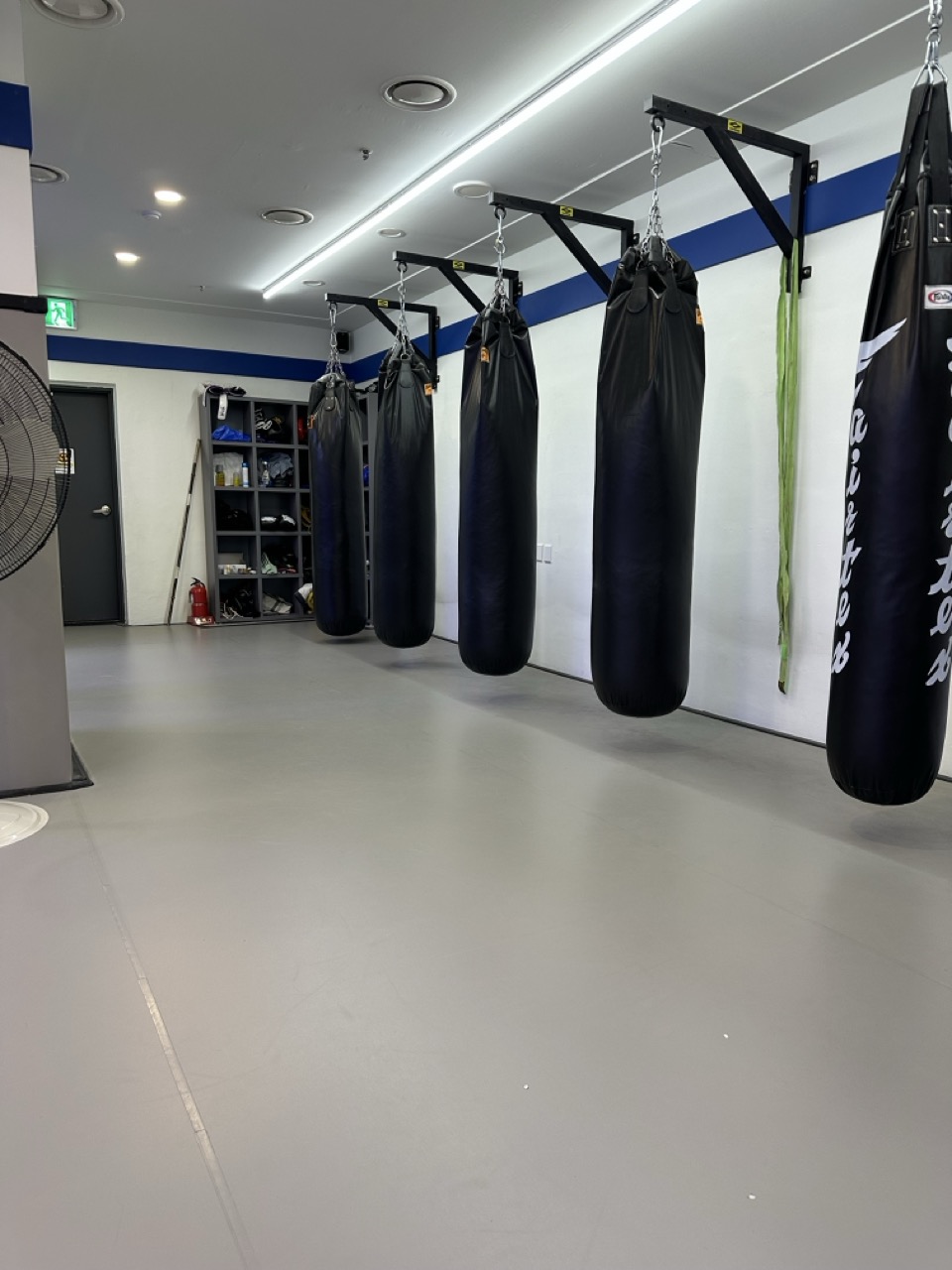
The gym floor was covered with soft gray mats.
After a five-minute jog around the room, I put on 12-ounce gloves over cotton liners.
There was no long warm-up — movement came first.
Jab, Straight, one-two.
Straight to the heavy bag.
Then, the middle kick.
Step diagonally with the left foot, open the hip, rotate.
One hand guards the face, the other drops diagonally.
Bend the knee, extend it fully, heel stretching out.

The instructions were simple.
The coordination was not.
Ankle, hip, shoulder — all had to rotate around a single vertical axis.
It was a connection my body wasn’t used to.
Less than an hour in, I was already out of breath.
Lifting the heels, rotating upright —
this rhythm felt fundamentally different from the movements I was familiar with.
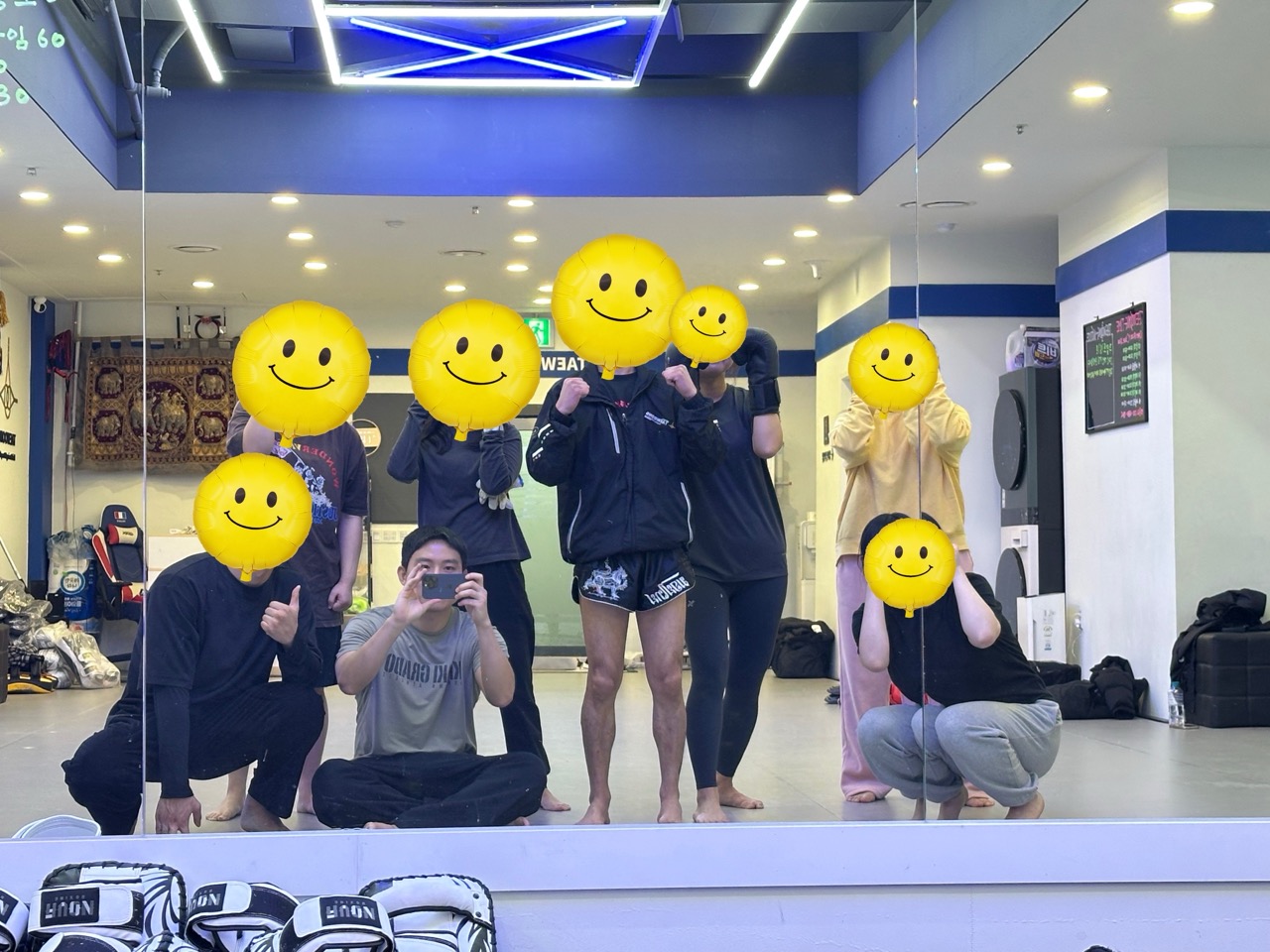
People arrived one by one after 10 a.m.
Two men, five women.
The coach had run this gym for nearly 30 years,
with 21 years of kickboxing experience and national team coaching history.
“To really learn it, you’re looking at about five years.”
Trying to fit kicks into a short trial made everything feel compressed.
It was likely an introductory program.
Still, the density was real.
Only after returning home did my shoulders and wrists begin to ache.
That’s how combat sports usually are.
You feel it later.
Kickboxing is compelling.
But layering it onto my current life rhythm would require more space —
for recovery, and for learning.
Sustainability isn’t about low intensity.
It’s about whether your body is given enough time
to learn a new rhythm.
This wasn’t the start of kickboxing for me.
It was a brief encounter with an unfamiliar rhythm.
And that was enough.