On the Opposite Side of Familiar Tension
[Sequence Log 008]
On the Opposite Side of Familiar Tension
— Notes on Recovery from a Yoga Session
My physical condition that day was fairly clear.
Before the Session
My physical condition that day was fairly clear.
- Stiff body from cold weather
- Lingering shoulder discomfort
- Around five hours of sleep
Considering the recent training load,
my body was already signaling that some adjustment was needed.
The Space
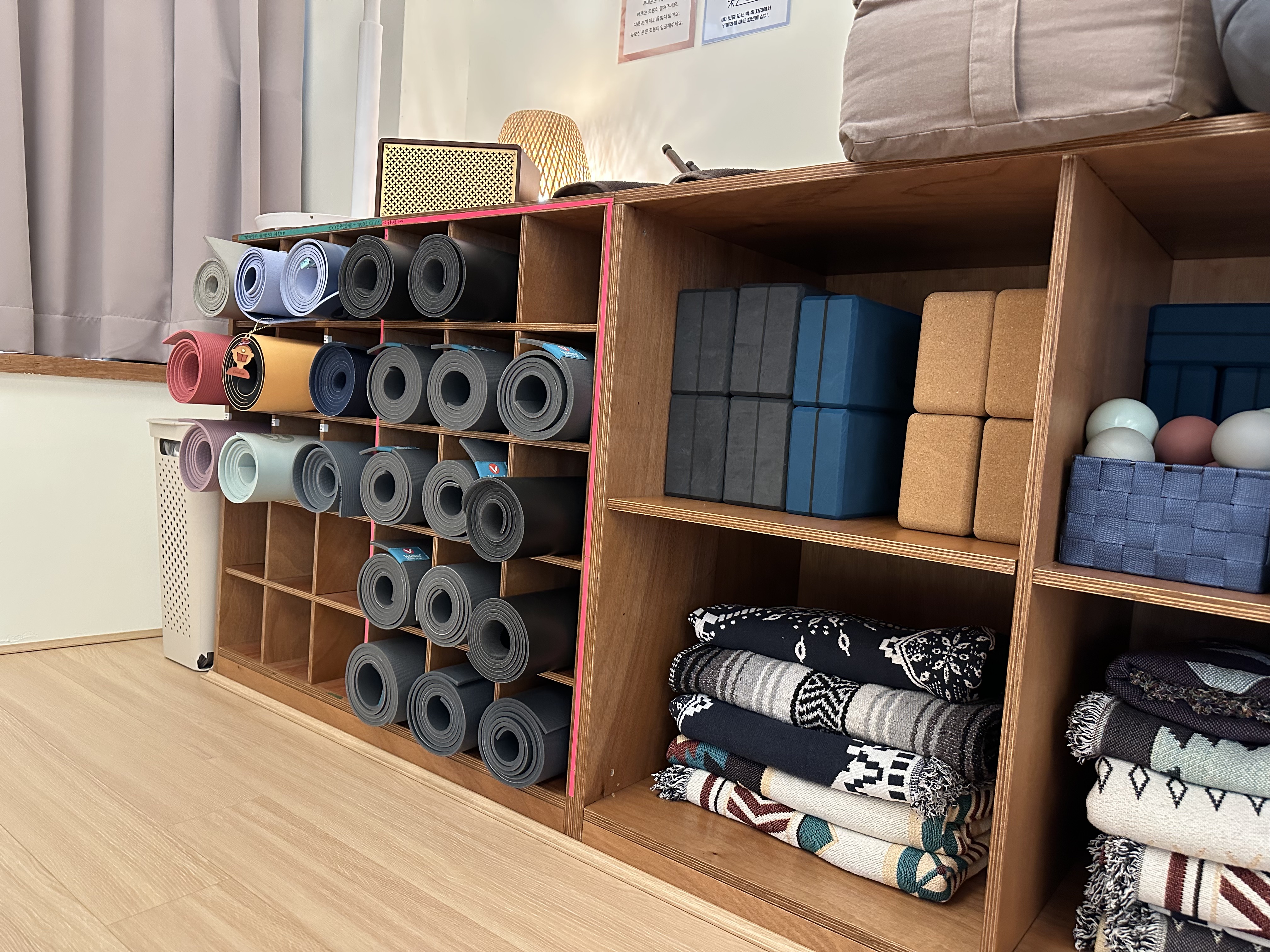
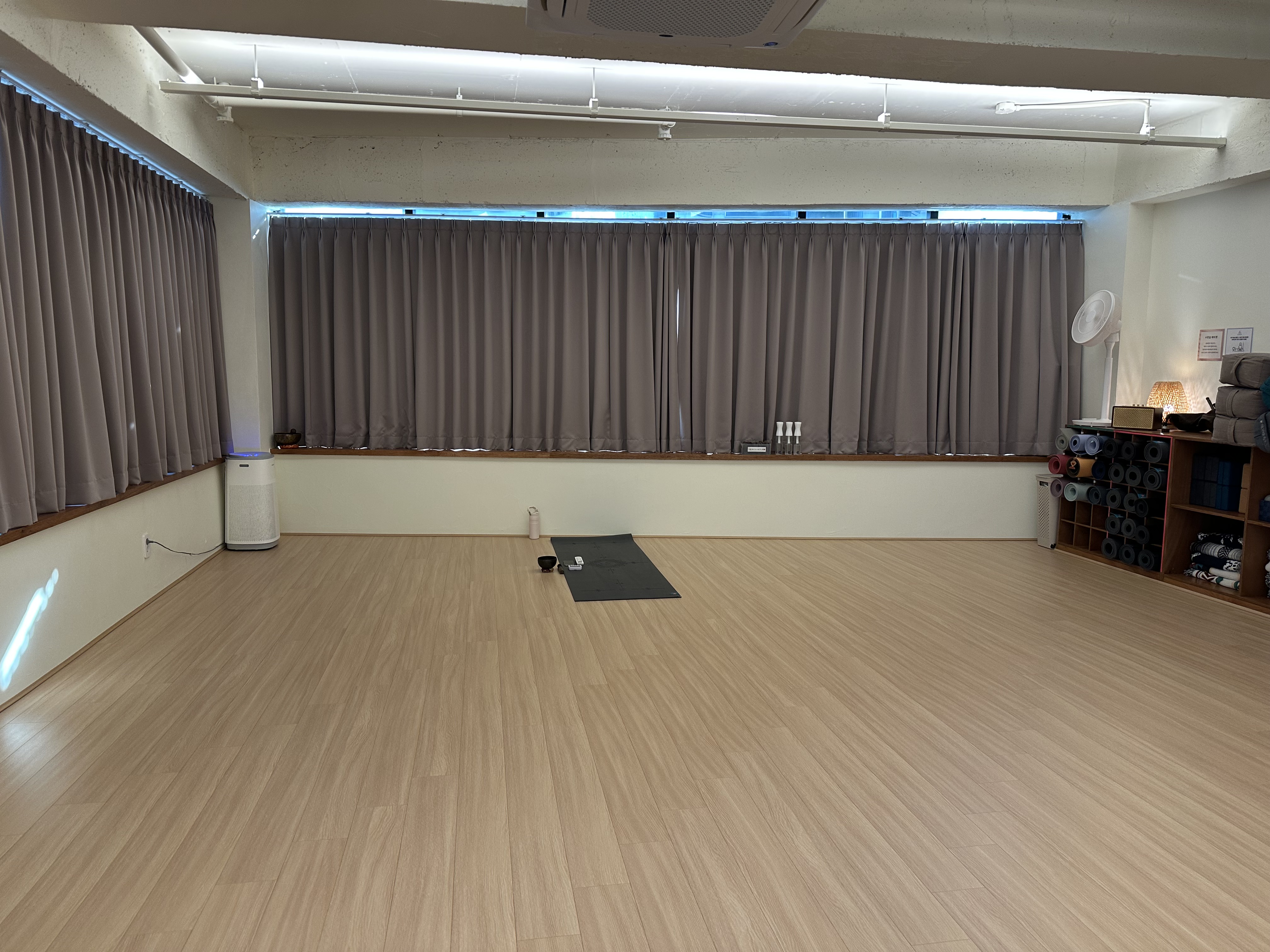
The class took place in a wide, open room.
We laid out mats in a simple, equipment-free setup.
Facing one another made it easier to focus inward rather than perform outward.
Before the session began,
I learned that the instructor previously trained in CrossFit
and now practices Olympic weightlifting.
That context reframed yoga for me—
not as an alternative,
but as something adjacent to high-intensity training.
When the Body Reveals Itself
As the session progressed, several sensations became clear.
- Limited hip mobility
- Noticeably more restriction on the left side
- A dull tightness and subtle trembling
when extending the lower back
These sensations felt less like pain
and more like signals pointing to where movement was constrained.
Different from Stretching
I usually stretch before CrossFit,
so the movements themselves weren’t unfamiliar.
Still, yoga felt different.
- Positions were held longer
- Less effort revealed more feedback
- Relaxation exposed details that force often hides
It felt deeper than stretching,
and slower in a way that allowed observation.
In Relation to High-Intensity Training
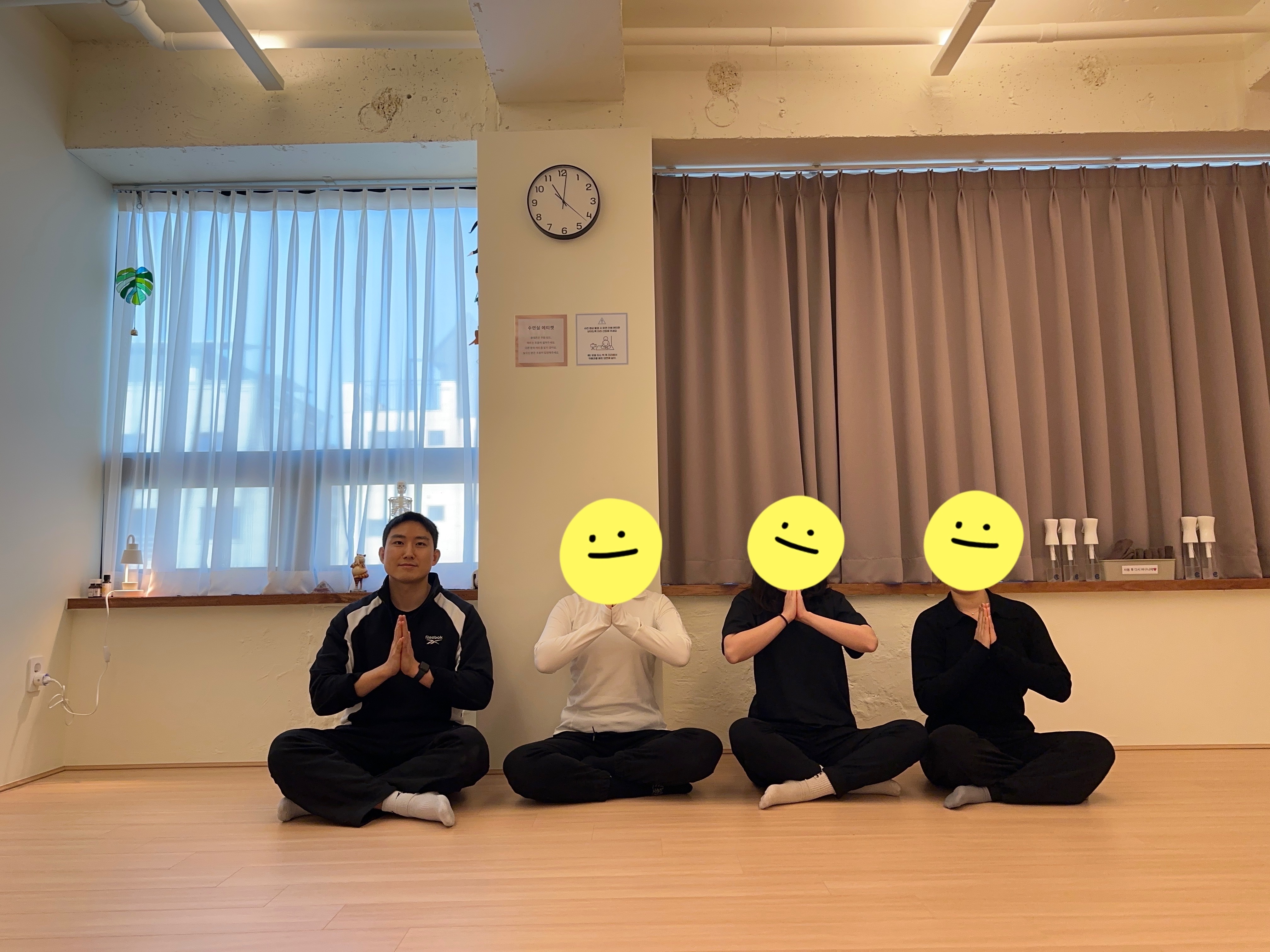
One comment from the instructor stood out.
“Yoga is closer to circulation than correction.”
For someone accustomed to strong contractions,
yoga offered movement in the opposite direction.
- Contraction ↔ Release
- Explosiveness ↔ Stillness
- Speed ↔ Breath
That contrast felt like a missing balance.
Movements Performed During the Session
This class was conducted in the Hatha Yoga style, holding poses for extended periods while observing the body.
Introduction and Preparation
We began by sitting comfortably on the mat, releasing tension and focusing on breathing. Throughout the session and at the end, we flexed and pointed the feet to release tension in the ankles and lower body.
Hip Openers and Lower Body
Through poses like Baddha Konasana (Butterfly Pose), where the soles of the feet are brought together, we checked the range of motion in the hips. This was when I noticed the imbalance—my left hip felt noticeably stiffer than the right.
Backbends
During Bhujangasana (Cobra Pose) or similar backbends, when extending the lower back, I experienced a dull tightness accompanied by trembling. This seemed to be a process of stimulating unused muscles and releasing tension.
Hamstring Stretches
Forward folds strongly stimulated the pelvis and the back of the thighs (hamstrings). The class wasn’t about showing off flexibility, but rather following guidelines to help circulation and “open” the body.
Closing and Rest
We stretched the arms overhead with interlocked fingers to release the whole body. In Savasana (Corpse Pose), we lay down with limbs comfortably spread, doing nothing and taking complete rest. This was the stage where the deepest relaxation occurred during the session. Finally, we rolled to one side, took a few breaths, then slowly sat up by pushing against the floor with our hands.
The class flow was structured as: hip opening → backbends → hamstring stretches → full-body rest. The movements were primarily release-focused, stretching muscles that had contracted from high-intensity training like CrossFit in the opposite direction.
A Note to End On
Yoga was quiet,
but it revealed a lot.
Rather than asking
“How much more can I push?”
the session asked,
“What state am I in right now?”
Recovery may not be about doing less,
but about paying attention differently.
[Next Sequence]
This sequence was
a time to experience
observing the body from the opposite side of familiar tension
through the new experience of yoga.